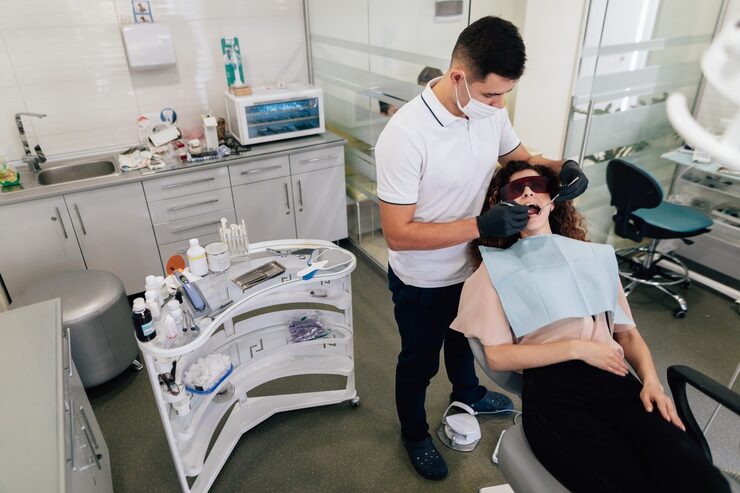
The specialized field of pediatric dentistry has reached a new standard of excellence in Idaho Falls as of June 2026, shifting focus toward early intervention, behavioral anxiety management, and long-term preventive development. For parents residing in Bonneville County, Ammon, and the surrounding Eastern Idaho region, selecting the right pediatric dentist idaho falls involves far more than ensuring their child’s teeth are cavity-free. It is about creating a positive, empowering foundation for a lifetime of oral health. Modern pediatric dental practices have moved well beyond the old-fashioned “drill and fill” model; they now serve as essential health partners, guiding families through complex stages of primary tooth eruption, jaw growth, orthodontic early screening, and healthy dietary habits.
1. Why Specialized Pediatric Dentistry Matters
Many parents ask why a general dentist cannot treat their children. The difference lies in specialized postgraduate training, clinical experience, and the psychological approach required for developing minds. A pediatric dentist undergoes two to three additional years of residency beyond dental school, specifically focused on child psychology, the development of the primary (baby) dentition, and managing children with complex medical or physical needs. They are trained to turn what could be a frightening experience into a supportive, engaging, and age-appropriate clinical encounter. By prioritizing the primary dentition, these specialists protect the space required for permanent teeth, ensuring healthy speech development and proper nutritional intake throughout a child’s formative years.
2. The Pediatric Clinical Care Timeline
Understanding the developmental roadmap of your child’s oral health allows parents to stay proactive rather than reactive.
- The First Visit: The American Academy of Pediatric Dentistry (AAPD) recommends the first dental appointment by the age of one, or within six months of the first tooth erupting. This initial visit is focused on parent education, risk assessment, and familiarizing the child with the clinical environment.
- The “Toddler Growth” Phase (Ages 2-5): This stage focuses on monitoring the eruption of the full primary set of teeth, managing early dietary risks, and screening for potential habit-related issues like prolonged pacifier use or thumb-sucking that can impact palate development.
- The Mixed Dentition Phase (Ages 6-12): As permanent teeth begin to replace primary teeth, pediatric dentists monitor jaw spacing and alignment. This is the prime age for evaluating the need for early interceptive orthodontics to avoid complex, more expensive treatments in the teenage years.
- The Adolescent Transition (Ages 13+): Focus shifts toward long-term oral hygiene autonomy, aesthetic concerns, and management of wisdom teeth development, ensuring the teenager transitions to adult dental care with a solid, healthy foundation.
3. Advanced Preventative and Restorative Treatments
In 2026, the technology used in Idaho Falls pediatric practices is designed to be as minimally invasive and comfortable as possible.
Preventative Fluoride and Sealant Protocols
Dental sealants are a high-value, proactive tool. They involve painting a thin, protective plastic coating onto the chewing surfaces of permanent molars, where food particles and bacteria most commonly collect. This creates an impenetrable barrier against decay, significantly reducing the risk of cavities in vulnerable deep grooves. When paired with professional-strength, professional-grade fluoride treatments, these tools provide a powerful defensive shield for maturing enamel.
Biocompatible “White” Fillings
Gone are the days when children were forced to have silver-colored metal (amalgam) fillings. Modern pediatric clinics use tooth-colored, biocompatible composite resins. These bond directly to the remaining tooth structure, requiring less drilling than traditional methods and providing a nearly invisible repair that holds up excellently under the high-frequency wear of a child’s mouth.
Early Interceptive Orthodontics
Pediatric dentists are experts at spotting developmental issues before they become permanent problems. If a child shows early signs of severe crowding, crossbites, or narrow arches, the dentist can utilize specialized appliances to guide jaw growth and create adequate space for permanent teeth, often reducing the total time or complexity required for full braces in the future.
4. 2026 Financial Benchmarks: Pediatric Dental Care in Idaho Falls
Navigating the costs of high-quality child dental care requires transparency and planning. Below is a verified mid-2026 price breakdown for private pediatric services in the Idaho Falls region.
| Dental Service Category | 2026 Regional Average Cost | Clinical Goal |
| Initial Exam & Preventative Clean | $140 – $220 | Baseline health screening and plaque removal |
| Dental Sealants (Per Tooth) | $50 – $90 | Proactive structural defense against future decay |
| Pediatric White Filling (Per Surface) | $150 – $300 | Minimally invasive restoration of structure |
| Customized Pediatric Mouthguard | $250 – $450 | Preventing sports-related dental trauma |
| Early Interceptive Appliance | $800 – $2,500 | Managing jaw growth and spacing concerns |
5. Psychological Comfort and Behavioral Management
For many children, the primary hurdle to dental health is anxiety. Pediatric dentists in Idaho Falls utilize a range of “behavior management” techniques to keep children calm and cooperative.
- “Tell-Show-Do” Technique: This is the cornerstone of pediatric communication. The dentist explains the procedure in age-appropriate, positive language, shows the child the tools (in a non-threatening way), and then performs the action.
- Distraction and Environment: Modern offices are designed to be sensory-friendly, often featuring ceiling-mounted monitors playing calming content, quiet lighting, and office staff trained to maintain a soft, welcoming demeanor.
- Nitrous Oxide (Laughing Gas): For children who are significantly nervous or require more complex work, light sedation via inhaled nitrous oxide is a standard, safe way to induce deep relaxation. It acts quickly and leaves the system entirely within minutes, allowing the child to return to their normal daily routine immediately after the appointment.
6. Parent Education: The Foundation of Lifelong Habits
The role of a pediatric dentist extends to the home environment. The best practitioners provide direct, actionable advice on how to improve a child’s daily oral hygiene routine. This includes personalized guidance on the best types of electric toothbrushes for specific ages, the proper way to floss when baby teeth have tight contacts, and how to spot “sugar traps” in processed snacks. Parents are encouraged to involve children in their own health journey, fostering a sense of accomplishment rather than duty.
7. Essential Parameters for Choosing a Pediatric Dental Home
To ensure you select the best expert to support your child’s health, consider these three parameters:
- Board-Certified Specialty: Confirm that the practitioner is a board-certified pediatric dentist. This designation indicates that the doctor has gone beyond the basic requirements and maintains high standards through rigorous peer evaluation.
- Commitment to Prevention: Evaluate if the office focuses heavily on early interceptive screening and preventative sealants rather than only performing restorative work. A truly great practice views the absence of decay as their greatest success.
- Transparent Communication Style: A top-tier pediatric dentist should treat the parent as a collaborative partner, explaining all findings, offering treatment alternatives, and being completely clear about costs before any procedure begins.
8. Conclusion: Investing in Your Child’s Future Confidence
In conclusion, choosing a premier pediatric dentist in Idaho Falls in 2026 is an essential step in protecting your child’s long-term systemic health, speech development, and personal self-confidence. By prioritizing specialized care, you are choosing a partner who understands the unique biological and psychological needs of a growing child. Treat these visits not as isolated medical events, but as a critical part of your child’s overall wellness lifestyle. By utilizing modern diagnostic tools, engaging with preventative protocols, and fostering a trusting relationship with a highly qualified specialist, you provide your child with the best possible start. A healthy, radiant smile is a lifelong asset that supports every milestone your child will face. Secure that foundation today by partnering with Idaho Falls’ finest pediatric dental expertise, ensuring your family’s oral health trajectory is set for success.