
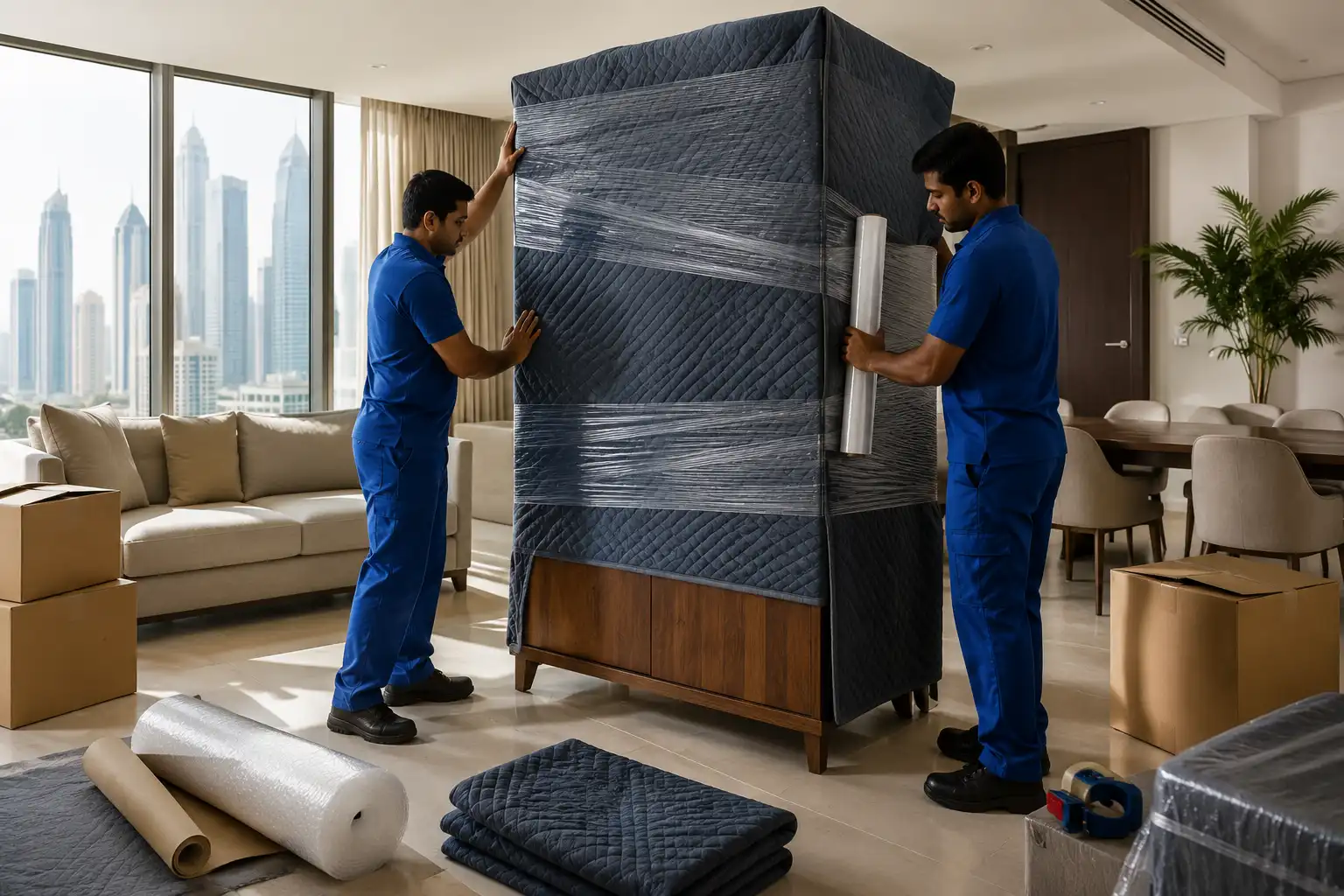
Moving furniture to a new home sounds straightforward until the actual process begins. Large wardrobes have to pass through doorways, sofas need to fit inside elevators, glass tables require careful protection, and heavy furniture can easily become damaged if it is handled incorrectly.

Dubai’s apartments, villas and residential communities can also have their own access procedures, lift schedules and moving requirements. Proper preparation therefore plays an important role in making a furniture move efficient and reducing the risk of scratches, dents or breakage.
Whether you are moving across Dubai or relocating to another part of the UAE, the following furniture preparation tips can help you organize the process more effectively.
Start With a Furniture Inventory
Before packing anything, create a simple inventory of the furniture you plan to move.
Walk through every room and make a list of major items such as:
- Beds and mattresses
- Wardrobes
- Sofas and armchairs
- Dining tables and chairs
- TV units
- Cabinets
- Desks
- Bookshelves
- Dressing tables
- Outdoor furniture
This gives you a better understanding of the size of your move and helps determine which pieces may need dismantling.
It is also useful to identify furniture that is particularly heavy, fragile, expensive or difficult to handle.
Decide What Should Be Dismantled
Not every piece of furniture needs to be taken apart. However, large items can sometimes be much safer to transport after partial or complete dismantling.
Beds, wardrobes, large dining tables, desks and modular furniture are common examples.
Dismantling can make furniture easier to carry through:
- Apartment doors
- Narrow corridors
- Staircases
- Service elevators
- Building entrances
- Villa doorways
Before dismantling anything, take a few photographs from different angles. These photographs can serve as a useful reference when the furniture needs to be assembled again.
Keep Furniture Hardware Organized
One of the easiest things to lose during a move is a small screw or fitting.
When dismantling furniture, place screws, bolts, brackets and other hardware into separate resealable bags. Label each bag according to the furniture it belongs to.
For example, a bag could be labelled:
Master Bedroom Wardrobe
or
Dining Table
Tape the hardware bag securely to the corresponding furniture item or place it in a clearly labelled hardware box.
This simple step can save considerable time during reassembly.
Clean Furniture Before Wrapping It
Furniture should ideally be cleaned before it is wrapped.
Dust, sand and small particles trapped between a surface and protective material can cause scratches during transportation.
Wipe wooden surfaces, glass tables, cabinets and other furniture before packing. Upholstered furniture should also be checked for loose items, food particles and other debris.
Cleaning before wrapping also means that you are not transferring unnecessary dirt into your new home.
Use the Right Protection for Each Material
Different furniture materials require different types of protection.
Wooden Furniture
Wooden tables, cabinets and wardrobes should be protected against scratches, impacts and friction.
Moving blankets, protective sheets and suitable wrapping materials can help protect finished surfaces during carrying and transportation.
Avoid allowing adhesive tape to come directly into contact with delicate wood finishes.
Glass Furniture
Glass tabletops, mirrors and glass cabinet doors require additional care.
Wrap glass securely and protect the corners before moving the item. Large glass pieces should be handled by people who understand how to carry and position them safely.
Never assume that a thick glass tabletop can simply be carried like a wooden table. Its weight distribution and vulnerability to impact are very different.
Leather Furniture
Leather sofas and chairs should be protected from scratches, dirt and unnecessary friction.
A suitable furniture blanket or protective covering can help prevent contact with other objects during transportation.
Fabric Sofas
Fabric upholstery should be covered to protect it from dust and accidental stains.
Removable cushions should generally be packed separately rather than left loose on the sofa.
Protect Furniture Corners and Edges
Corners are among the most vulnerable parts of furniture during a move.
A wardrobe may pass safely through a doorway but still suffer a damaged corner when it is turned. Similarly, the edge of a dining table can be chipped if it strikes a wall or another object.
Corner protectors and padded materials can provide an additional layer of protection.
Pay particular attention to:
- Table corners
- Cabinet edges
- Wardrobe corners
- Glass edges
- Bed frames
- TV units
- Wooden shelves
Measure Large Furniture Before Moving Day
One of the worst times to discover that a sofa does not fit through a doorway is when it is already sitting in the hallway.
Measure large furniture pieces and compare their dimensions with the access points at both properties.
Check:
- Main doors
- Service doors
- Corridors
- Staircases
- Elevator entrances
- Service elevators
- Balcony or terrace access where relevant
This is particularly important for large sofas, wardrobes, king-size beds, marble tables and oversized cabinets.
A pre-move assessment can identify potential access problems before moving day.
Check the Service Elevator in Your Building
Many Dubai residential buildings require residents to reserve a service elevator before moving.
The exact procedure varies between buildings and communities, so contact your building management well before the scheduled move.
You may need to arrange:
- Service elevator booking
- Moving permits
- Security approval
- Loading and unloading access
- Parking arrangements
- Protective coverings for common areas
Coordinating these details in advance can prevent unnecessary delays when the moving team arrives.
Protect Floors, Walls and Doorways
Furniture can damage more than just itself.
Large pieces being carried through a property can accidentally scrape walls, damage door frames or leave marks on flooring.
Professional movers commonly use protective materials to reduce these risks. Furniture blankets, floor protection and suitable padding can be particularly useful when moving large or heavy items through narrow spaces.
This becomes even more important when moving out of a rented property where you may need to leave the premises in good condition.
Be Careful With Heavy Furniture
Large wardrobes, marble tables and solid wood furniture can be extremely heavy.
Trying to move these items without the correct equipment or enough people can result in property damage or personal injury.
Furniture dollies, lifting equipment, straps and appropriate manpower can make heavy items easier to handle.
If an item is unusually heavy or difficult to access, mention it when arranging the move rather than waiting until moving day.
Protect Furniture During Transportation
Correct loading is just as important as correct packing.
Furniture should be positioned inside the moving vehicle in a way that minimizes movement during transportation. Heavy pieces need to be secured appropriately, while fragile items should be separated from objects that could damage them.
Furniture should not simply be stacked into a truck without a loading plan.
A properly organized load helps reduce unnecessary movement and protects both furniture and other belongings.
Consider Professional Furniture Movers
Preparing and moving furniture can be particularly challenging when a property contains large wardrobes, delicate tables, expensive furniture or numerous heavy items.
Professional Movers & Packers Dubai can assist with different stages of the process, including furniture dismantling, protective wrapping, loading, transportation, unloading and reassembly.
Using an experienced moving team can also reduce the physical effort required from homeowners and help organize the move more efficiently.
Take Photos Before the Move
Photograph valuable or delicate furniture before it is packed.
Take clear pictures of:
- Wooden surfaces
- Glass panels
- Decorative furniture
- Electronics
- Marble surfaces
- Existing scratches or marks
- Furniture hardware
- Complex assemblies
These photographs provide a useful record of the condition of your belongings before transportation.
They can also make reassembly easier when furniture has multiple panels or components.
Prepare a Furniture Checklist
A simple checklist can prevent important items from being overlooked.
Before Moving Day
- Create a furniture inventory
- Decide which items need dismantling
- Measure oversized furniture
- Clean furniture surfaces
- Photograph valuable items
- Prepare hardware bags
- Arrange suitable protective materials
- Confirm building access requirements
During Packing
- Protect corners and edges
- Wrap delicate surfaces
- Cover upholstered furniture
- Separate removable cushions
- Label dismantled components
- Keep hardware organized
During Loading
- Protect floors and walls
- Use appropriate lifting equipment
- Load heavy furniture securely
- Keep fragile items protected
- Check that furniture cannot shift unnecessarily
At the New Property
- Inspect furniture before unpacking completely
- Reassemble dismantled items
- Place furniture in its intended rooms
- Check delicate surfaces
- Keep hardware and tools together
- Remove protective materials carefully
Final Thoughts
Furniture preparation is one of the most important parts of a successful home relocation. Large and valuable pieces should never be treated like ordinary boxes.
Taking measurements, dismantling suitable items, organizing hardware, protecting vulnerable surfaces and planning the loading process can significantly improve the moving experience.
For homeowners with large properties or difficult furniture, professional assistance can make the process considerably easier. The goal is not simply to get furniture from one address to another, but to arrive at the new property with everything in good condition and ready to set up.
A little preparation before moving day can therefore save a considerable amount of time, effort and unnecessary stress.
Leave a Reply