
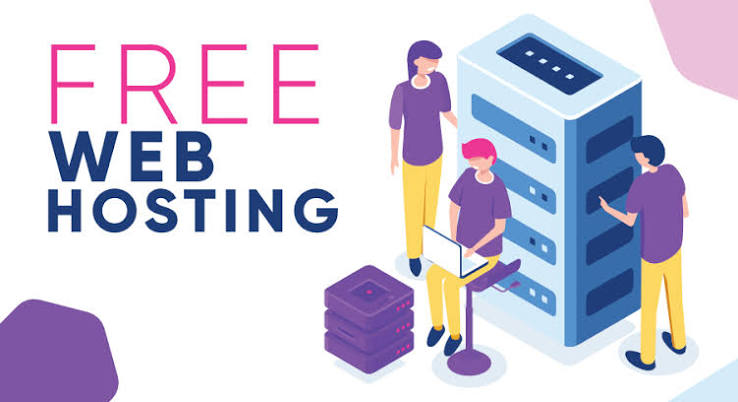
Launching a website without paying upfront is really appealing to students, freelancers, startups, and small teams who are just testing an idea. Web Hosting Free gives you server space at no cost so you can learn, build, and publish with less financial risk.
The trade-off is that you have control. Free plans often limit storage, traffic, speed, email, support, backups, or domain choices. Some plans even show the provider’s branding on your website. This guide explains how free hosting works, compares plans, and shows when paid hosting is safer.
What Is Web Hosting Free?
Web Hosting Free stores your website files on an internet-connected server without a hosting fee. When someone enters your website address, the server sends your pages, images, and scripts to that person’s browser.
A permanent free plan is different from a web hosting trial. A permanent plan stays free as long as you follow its rules and limits. A trial offers paid features for a fixed period and then requires payment.
Free accounts include a provider subdomain, limited storage, bandwidth, and a basic dashboard. Some plans also include PHP, databases, SSL, or a website builder. Providers offer these accounts to attract users who may later upgrade to a paid plan.
Common Features of Free Hosting Plans
Website Storage
Storage holds your website files, like pages, images, themes, plugins, and databases. Free plans may offer anything from a hundred megabytes to several gigabytes.
You can compress images, remove unused themes, and delete old backup files to stay within your allowance.
Bandwidth
Bandwidth is the amount of website data sent to visitors. A large image gallery or popular blog post can use it quickly.
A provider may advertise bandwidth while still controlling daily visits, processor use, database activity, or fair-use limits.
Free Subdomain
A free subdomain may look like yourname.provider.com. It is suitable for learning and temporary projects. A custom domain looks more trustworthy.
SSL Certificate
SSL enables HTTPS. Protects information moving between a browser and server. Web Hosting Free with SSL should be the standard for a public website.
Website Builder
A free website builder and hosting package lets beginners create pages without writing code. These tools are convenient. Design and migration choices may be limited.
PHP and Database Support
Free PHP hosting can run forms, scripts, blogs, and some content management systems. Check the supported PHP version, database size, cron-job rules, and disabled functions.
Control Panel
Some services use a custom dashboard of free hosting with cPanel. Confirm that you can manage files, databases, domains, SSL settings, and backups without confusion.
Benefits of Choosing Free Web Hosting
The benefit is that you do not have to pay an initial hosting bill. Free web hosting is useful for learning HTML, CSS, PHP, WordPress, DNS, file management, and basic security.
It also provides a low-risk space for testing layouts, plugins, landing pages, and small applications. Students can publish assignments while freelancers can present portfolios or client demonstrations.
A free dashboard helps beginners practice creating databases, installing a CMS, connecting domains, and activating HTTPS. This hands-on experience can make it easier to choose a paid package later.
Free hosting may also work well for campaigns, classroom work, nonprofit information pages, and personal experiments that do not depend on guaranteed uptime.
Limitations and Hidden Risks
Limited Speed and Resources
Free accounts normally share processor power, memory, and connections with other users. Pages may slow down during periods, especially when they depend on scripts or databases.
Storage and Traffic Restrictions
A growing image library, blog or popular landing page can hit its limits quickly. The provider may pause requests, restrict the account, or ask you to upgrade.
Provider Advertisements
Some website hosting platforms display advertisements, badges, or provider branding. These elements may distract visitors. Make a website appear less professional.
Limited Customer Support
Free users often depend on documentation, automated tools, or community forums. Fast personal assistance is usually reserved for paying customers.
Security and Backup Concerns
Do not assume that automatic backups are included. Keep copies of your files and databases.
Check SSL availability, software updates, malware protection, account isolation, and restoration options before publishing content.
Account Suspension Risk
Accounts may be suspended because of inactivity, traffic spikes, prohibited content, mass email, high processor use, or other policy violations.
A free plan is therefore risky for a website that must remain available throughout the day.
Limited Professional Branding
A provider subdomain may be acceptable for learning. It can look temporary. Businesses usually benefit from a custom domain, branded email address and advertisement-free website.
For planning, free hosting is best treated as a sandbox rather than the only home for a business-critical website.
Who Should Use Web Hosting Free?
Web Hosting Free suits students, first-time website owners, developers testing code, bloggers experimenting with a topic, and freelancers building demonstration pages.
It may also work for:
- Classroom assignments
- portfolios
- Community information pages
- Small nonprofit projects
- Temporary campaign pages
- Proof-of-concept websites
- Development practice
- Low-traffic personal blogs
It is a poor match for shopping malls, busy e-commerce websites, client sites, membership platforms, and established businesses.
Those projects need performance, regular backups, business email, stronger security, and responsive support. A few hours of downtime can cost a business more than an affordable paid hosting plan.
How to Choose the Best Free Hosting Plan
Check Storage and Bandwidth
Estimate the size of your pages, images, themes, plugins, and databases. Leave room for future content.
Review likely visitor. Look beyond unlimited bandwidth claims. Daily visit limits and processor restrictions may be more important.
Look for SSL
Choose Web Hosting Free, with SSL so visitors can use HTTPS. Avoid collecting sensitive information through an untested free account.
Check Advertisement Policies
Confirm whether the host places advertisements, badges, banners, or branded footers on websites.
A plan described as hosting without ads may still place branding inside the dashboard or website builder.
Review Domain Options
For branding, look for free hosting with a custom domain connection. Remember that connecting a domain does not always include free domain registration.
You may still need to purchase the domain.
Look at Uptime and Performance
You should check how long the servers are up and running, where the servers are located, what tools they use to make things load faster, how many people can visit each day what kind of processor they. How big the files can be.
Do not just believe what the companies say about themselves.
Check if the Hosting Works with Your Website Builder
If you want to use WordPress for free, you need to make sure the hosting company supports the version of PHP, has databases available, has enough storage allows you to install WordPress with one click, and tells you what plugins you can use.
Some platforms have tools for WordPress, but they might not let you use plugins from outside or access all your files.
Look at the Costs of Upgrading
Before you make your website, check how much it will cost to upgrade to a plan later. You should also look at how help they give you when you move your website, how many email accounts you can have, if they back up your files how much storage you can have and what happens if you want to cancel.
The price might be low at first. It could go up later.
Read the Rules
You should read the hosting company’s rules about being inactive how much traffic you can have, what kind of content you can have, how they handle emails, backups and suspending accounts. This can help you avoid surprises like your account being closed or losing your files.
Free Web Hosting vs Paid Web Hosting
| Feature | Free Hosting | Paid Hosting |
| —————- | ——————————— | ———————————-
| Initial cost | You do not have to pay | You have to pay every month or year |
Storage | You usually do not get much space | You get more space |
| Bandwidth | You might have limits on visitors | You can have visitors |
| Domain | You often get a subdomain from the company | You can use your domain |
| Advertisements | You might see ads on your website | You usually do not see ads |
Customer support | You might only get help | You get better help |
| Backups | You might not be able to back up | You often get backups included |
Performance | It is good for projects | It is better for websites |
| Business email | You often cannot get email | You can usually get email |
| Scalability | It is hard to make your website bigger. | It is easier to make your website bigger.
Free Web Hosting is good for learning and trying things out. Paid Hosting is better when you need your website to be fast, up, and have good support.
Choose based on what you want your website to do and how much it would cost if your website is down, not the monthly price.
How to Make a Website with Free Hosting
First, think about what you want your website to do. Are you making a portfolio, a blog, a test website, a school project or a temporary page?
Compare hosting companies and look at their storage, bandwidth, domain, ads, security, and support policies.
Make an account. Choose a free subdomain or use your own domain. If they support it install WordPress. Use their website builder.
Choose a template that looks good on phones and computers and make pages like:
- Home
- About
- Services
- Contact
- Privacy Policy
- Terms and Conditions
Make sure your website is secure, compress pictures, and test everything before you make it public.
Once your Free Web Hosting website is live, keep an eye on storage, traffic, uptime, and security. Make sure to back up your files and upgrade when your website starts to get customers or make money.
Asked Questions
Is Free Web Hosting Really Free?
Some plans are free forever. Some are just trials or temporary deals. Check if you need to give them payment information and what happens when the deal ends.
Can I Use WordPress on Free Hosting?
Sometimes. You need a plan that supports the version of PHP that has databases, enough storage, and lets you install WordPress. Some free platforms might not let you use plugins or themes from outside.
Can Free Hosting Get Me on Google?
Yes. How much you pay for hosting does not affect your ranking on Google. But if your website is slow, down a lot does not look good on phones, or has security problems, it can hurt your ranking.
Google says you should make content that’s helpful, reliable, and good for people and make sure Google can find and look at your pages.
Is Free Hosting Safe?
It depends on the company. Check if they have security, backup updates, and good policies. Do not store information on a free account you do not trust.
Can I Sell Things on Free Hosting?
You might be able to make a test store but an online store needs paid hosting, good support, backups, secure payments, and fast performance.
Some companies, like GitHub Pages, say you should not use their service for businesses or selling things.
Final Verdict
Free Web Hosting is a way to start, especially for learning, testing, and small projects. It saves you money at first. It might limit your speed, support, branding, security, and growth.
Compare what you get read the rules carefully, and back up your files before you start. When your website starts to get customers or make money, upgrade to a paid hosting plan that’s reliable and has good support.
Leave a Reply